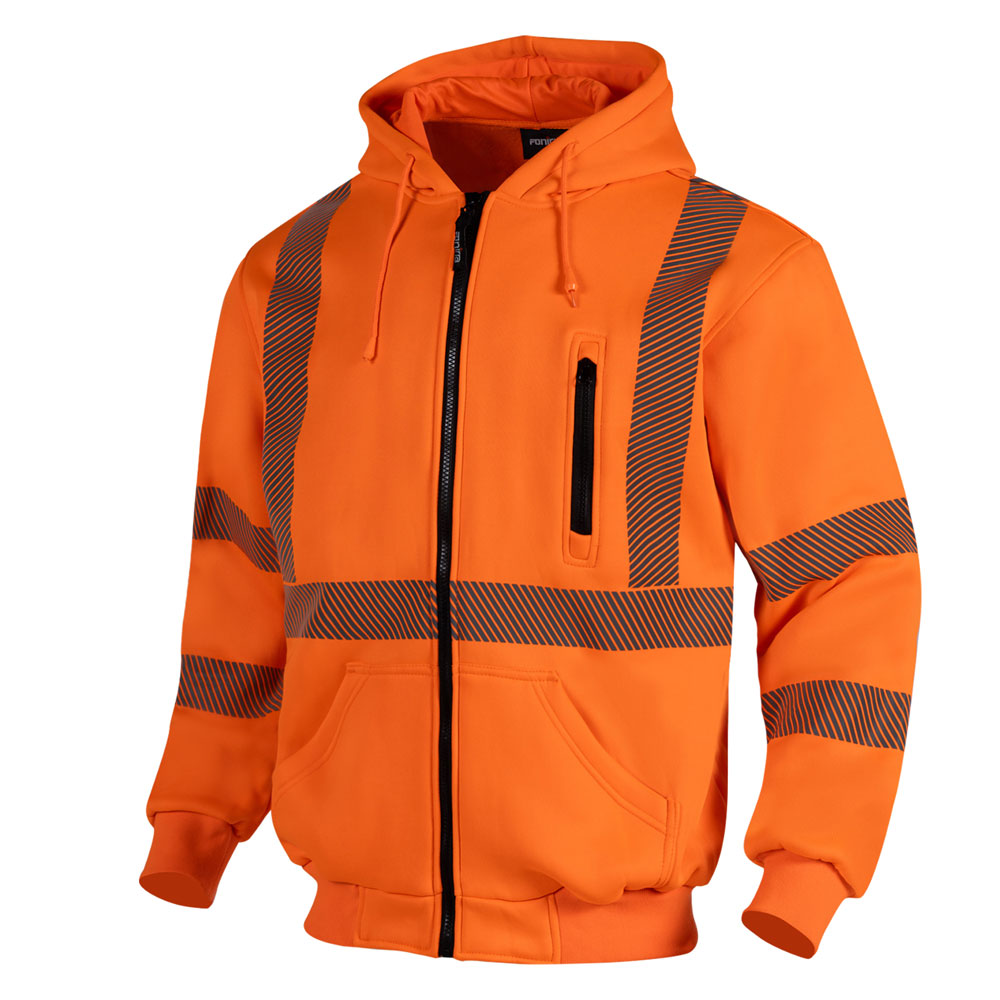




Recycled Reflective Clothing: Turning Waste Into Sustainable Safety Wear
Recycled reflective clothing simply means reflective garments made by “turning waste into value” using discarded plastic bottles, old textiles, or plant-based fibers. Through physical or chemical recycling technologies, these waste materials are transformed into new textile fibers. This process not only reduces landfill waste, but also significantly lowers carbon emissions and petroleum consumption during production. In support of global sustainability initiatives, Fonirra has also introduced reflective garments made with recycled fabrics.

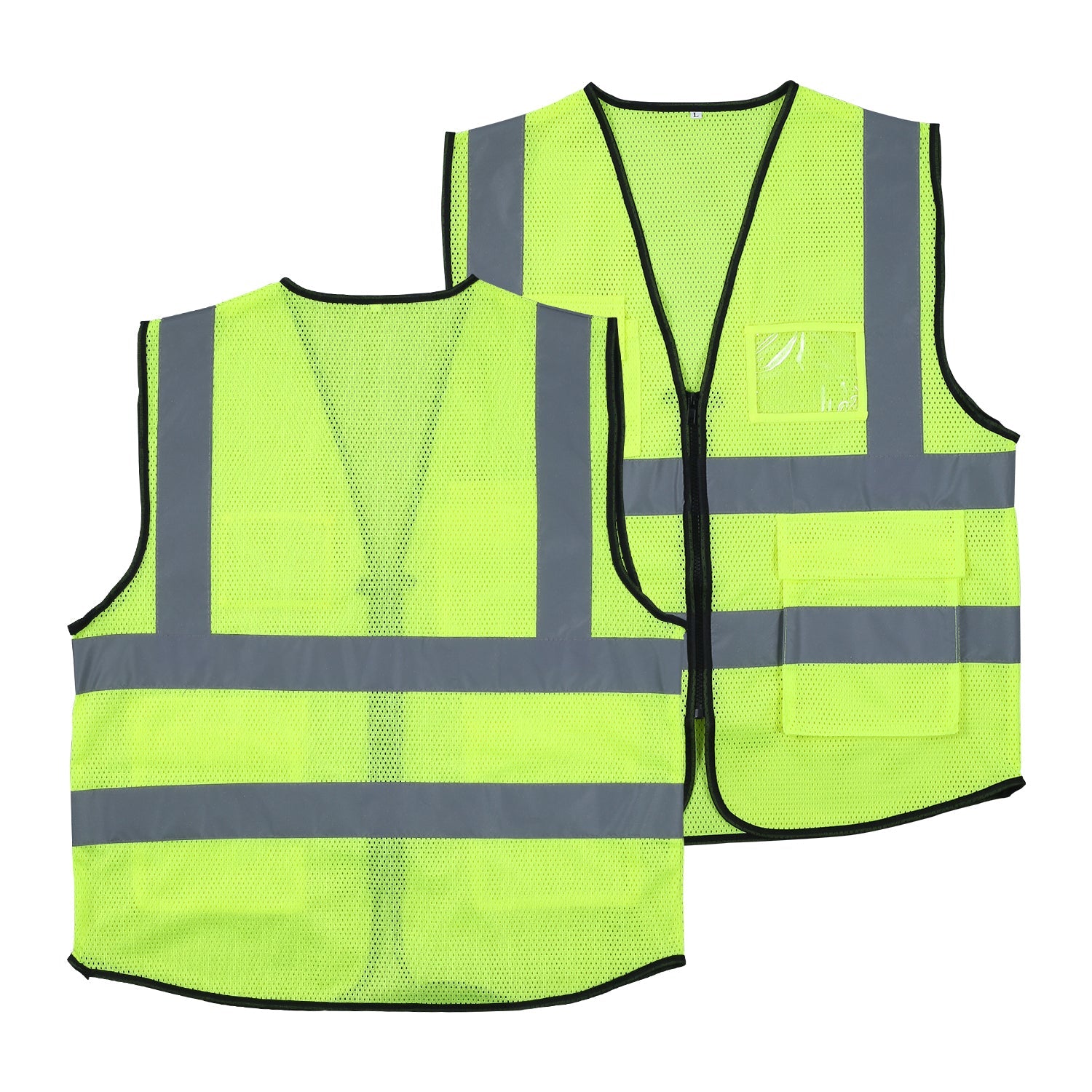
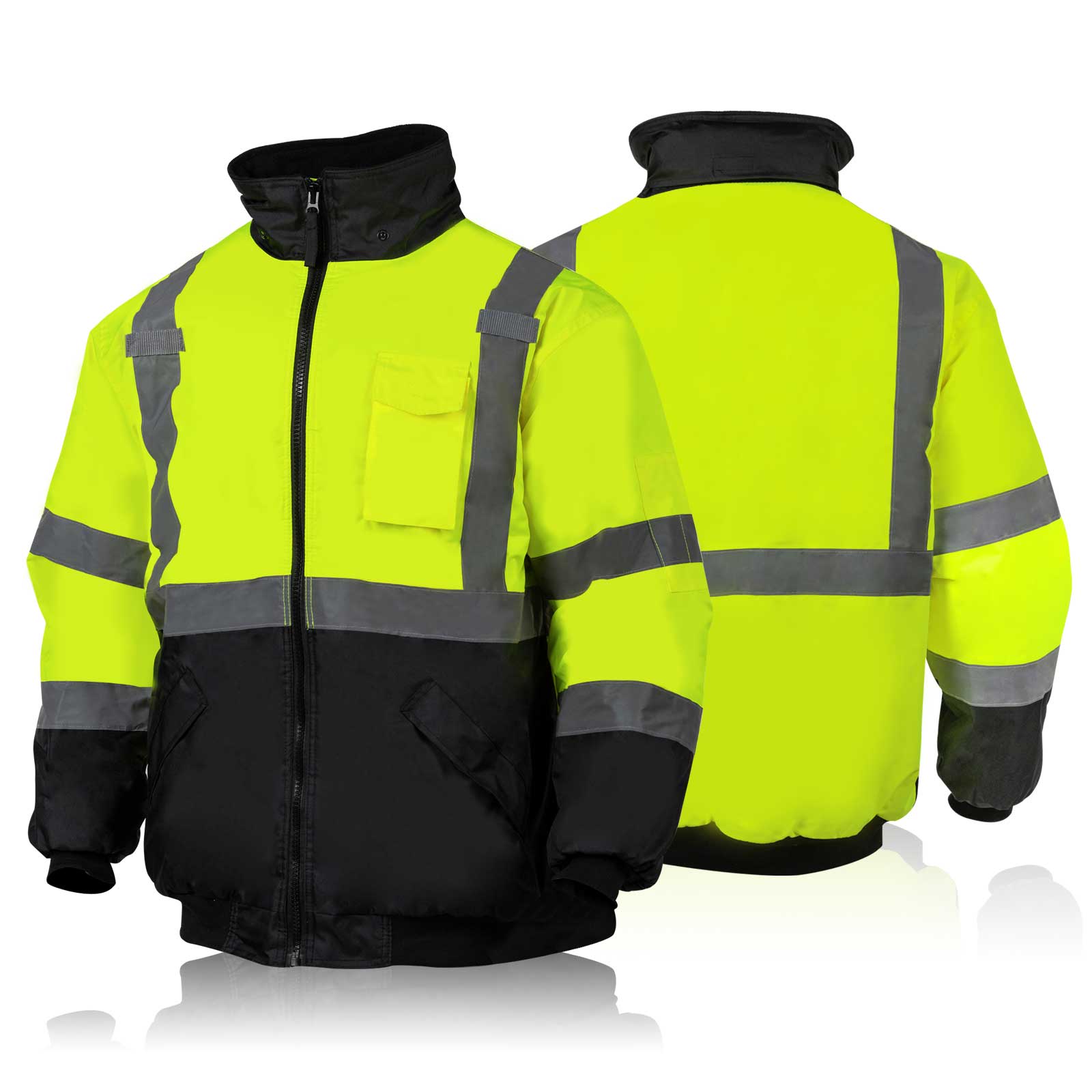
Fonirra Recycled Reflective Clothing
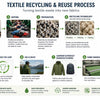
The core of recycled reflective clothing production lies in converting waste materials into spinnable textile fibers. The process is generally divided into two main methods: mechanical recycling and chemical recycling, with different raw materials requiring different treatment approaches.
Global warming is one of the main reasons why summers are getting hotter. Global warming is a long-term trend of rising temperatures in the Earth's climate system, partly caused by increased concentrations of greenhouse gases in the atmosphere due to human activities.
Emissions of greenhouse gases (such as carbon dioxide, methane, and nitrous oxide) mainly come from human activities such as burning fossil fuels (such as coal, oil, and natural gas) and deforestation. These gases can create a greenhouse effect in the atmosphere, causing some of the solar radiation received by the Earth to be absorbed by these gases, leading to an increase in the Earth's surface temperature. Polyester, used in clothing, is derived from petroleum.

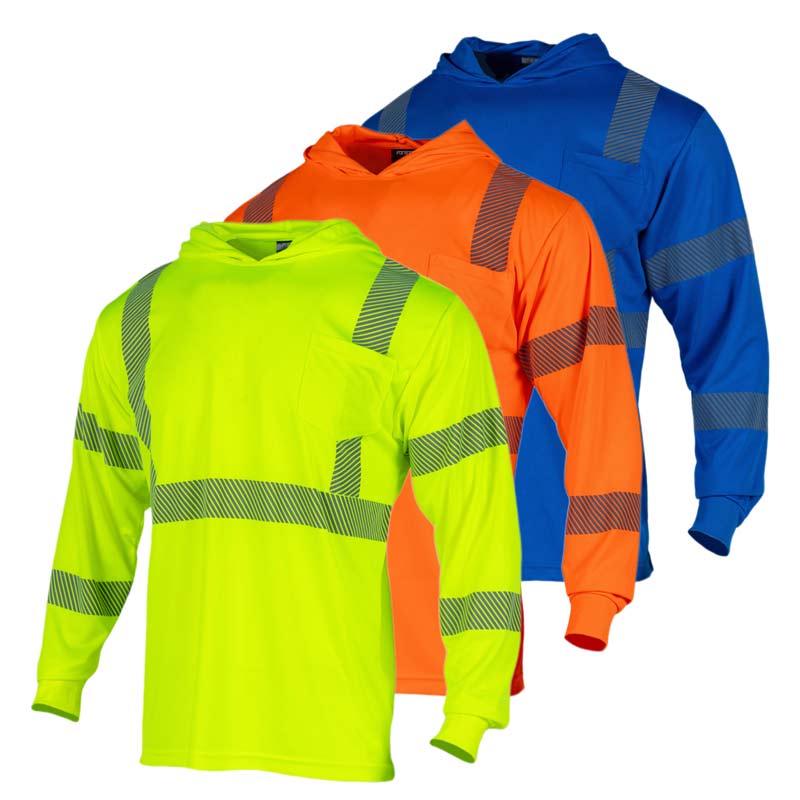
UPF50+ Sun Protection Safety Shirts
Mechanical Recycling (Commonly Used for Plastic Bottles)
- Process: Discarded PET plastic bottles go through more than 10 processing steps, including shredding, washing, melting, and reprocessing, before being turned into recycled polyester fiber chips. These chips are then spun into yarn and woven into fabric.
- Efficiency: Approximately 12 recycled plastic bottles can be used to produce one reflective T-shirt. Compared with virgin polyester production, the process can save up to 50% of water resources and 33% of energy consumption.
-
Advantages: The technology is mature and cost-effective, making it widely used in sportswear, reflective jackets, and outdoor garments. However, it is less effective when dealing with blended fabrics.

Environmental Benefits of Recycled Materials
Choosing recycled-material garments can bring significant environmental benefits, while certifications and standards help ensure the authenticity and reliability of these products.
Carbon Reduction & Energy Savings
- Recycling 1 ton of waste polyester bottles into recycled fibers can save approximately 6 tons of petroleum and reduce around 3.2 tons of carbon dioxide emissions.
- Compared with virgin polyester, every ton of recycled polyester can save about 1.5 tons of crude oil and 3.2 tons of water, achieving substantial carbon reduction from the source.
Certifications & Standards
-
Global Recycled Standard (GRS): One of the most important certifications for recycled apparel entering the international market. It verifies that products contain recycled materials and comply with environmental and social responsibility requirements.

- Safety: Recycled fibers undergo high-temperature melting or chemical depolymerization, which thoroughly removes harmful substances and bacteria. As a result, recycled garments are just as safe as regular clothing, and some recycled cotton products can even be cleaner than ordinary second-hand textiles.