



Recycled Fibers: Reducing Fashion’s Dependence on Oil
A jacket, a plastic water bottle, and a tank of gasoline may seem completely unrelated, but they actually share the same origin — all three are derived from petroleum.

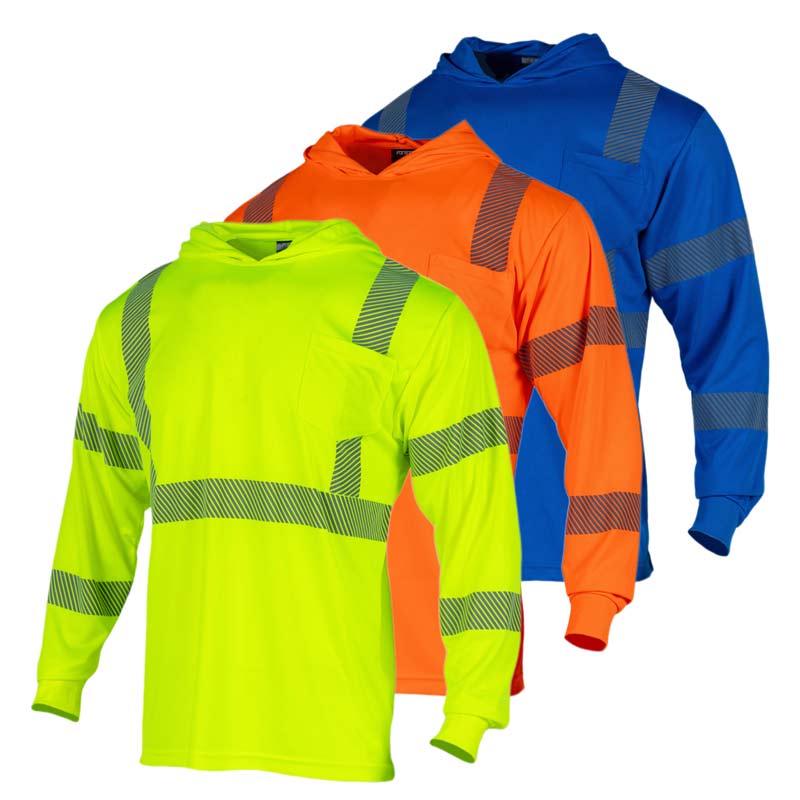
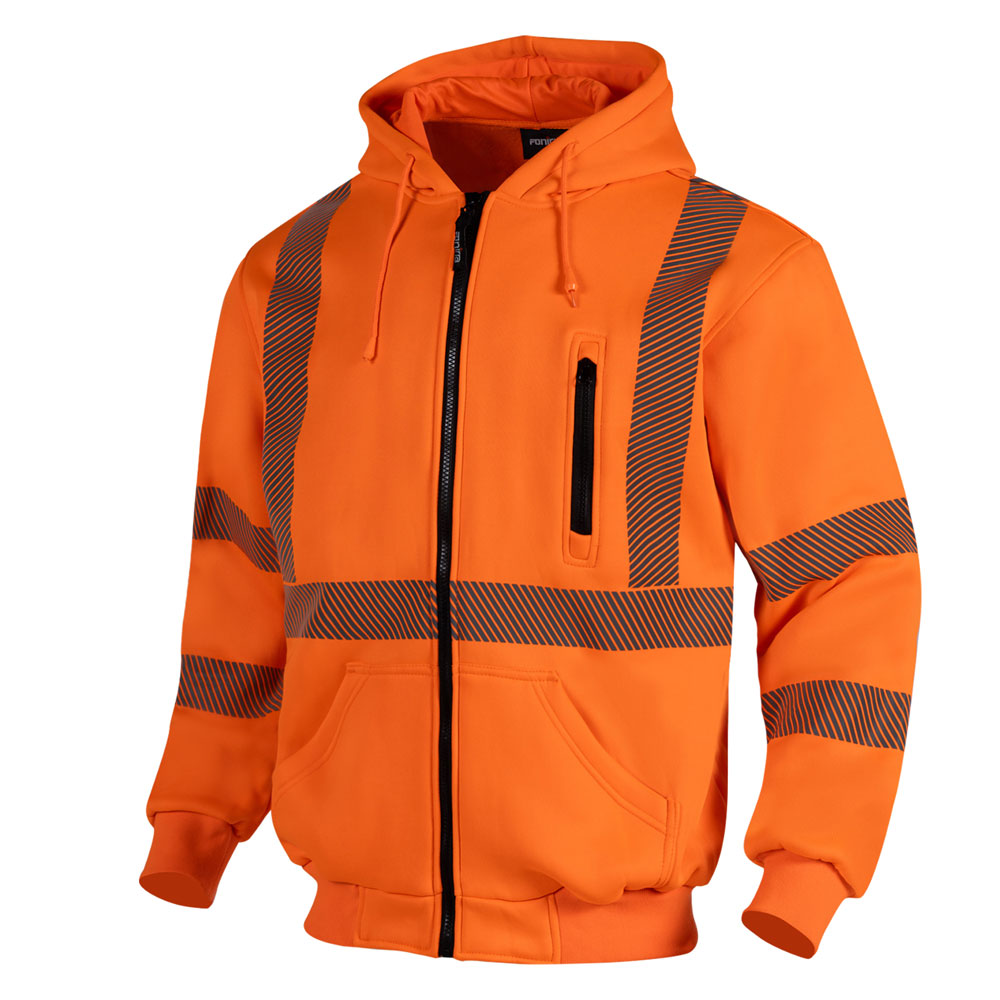
T006-1 Y/O Class 2 Hi Vis Safety Shirts With Hood
According to a report released by the Sustainable Textiles Association, synthetic fibers now account for 67% of the global fiber market. Most of these synthetic fibers are petrochemical products. Among them, the well-known polyester fiber — chemically known as polyethylene terephthalate (PET) — alone represents 57% of total fiber production.
That is why fluctuations in global oil prices can ultimately affect the price tags in consumers’ closets. Market analysts predict that, driven by crude oil trends, the price of outdoor jackets for the Fall/Winter 2026 season could increase by another 5% to 15%.

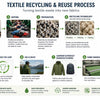
What deserves attention is that existing technologies can already reduce the apparel industry’s dependence on petroleum to a certain extent. Studies show that every ton of recycled PET bottles can produce approximately 0.9 tons of recycled polyester fiber, while saving about 6 tons of oil, reducing landfill use by 3 cubic meters, and cutting carbon dioxide emissions by 3.2 tons. By 2025, China’s recycled chemical fiber production capacity had approached 12 million tons, with actual output reaching approximately 6.45 million tons.
However, clothing labeled with “recycled fiber” is still relatively uncommon in everyday life. This is mainly due to three major bottlenecks in the recycling process.
First, there is an insufficient supply of recyclable raw materials. The United States generates more than 17 million tons of textile waste each year, with the average American discarding over 80 pounds (about 36 kilograms) of clothing and other textiles annually. Yet less than 15% is recycled through formal channels, while more than 85% ends up in landfills or is incinerated.
Second, sorting accuracy remains inadequate. Recycled bottles often contain mixed colors and impurities, causing recycled fibers to yellow, darken, and lose strength, making them difficult to meet apparel-grade quality standards.
Third, industry standards and certification systems are still underdeveloped. Companies using recycled materials often struggle to accurately quantify their carbon reductions, while consumers have limited ability to verify sustainability claims.

Addressing these challenges will require not only the upgrading of the textile manufacturing industry, but also stronger coordination across related industrial service sectors. At the same time, bottlenecks often signal opportunities. The global recycled polyester market is expected to exceed $15 billion by 2033.
At Fonirra, we believe high-performance workwear should also support a more sustainable future. That’s why we continuously explore the use of recycled and eco-friendly materials to reduce environmental impact while maintaining the durability, comfort, and safety standards professionals rely on every day. By turning recycled resources into reliable performance apparel, we are committed to protecting both workers and the planet.

fonirra-clothing-textile-grs-certification
As gaps in recycling, sorting, and certification continue to close, materials once treated as waste will become stable, low-carbon sources of raw materials, providing new green momentum for the development of a resource-efficient society.